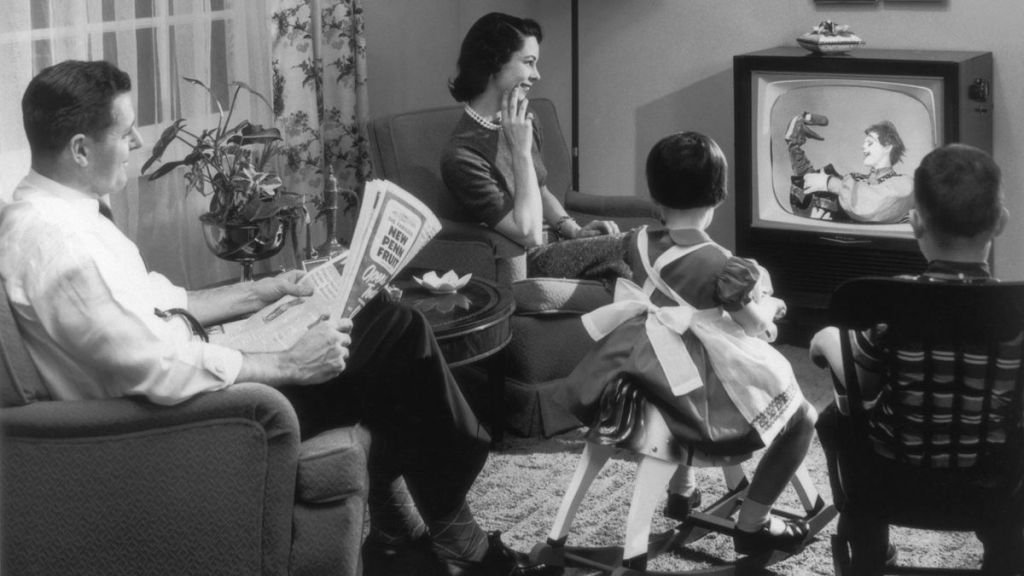
In a capitalist world, where our habits are dictated by the rhythm of an economical-oriented global system, our watching habits are not an exception. Throughout the years, we gradually moved from watching TV drama made for everyone, to watching OTT productions which are designed for our own taste and preferences. Our relationship with TV and TV drama changed a lot over time and affected the type of content and the surrounding culture drastically. When I compare our watching experiences between past and present, I notice multiple aspects of it, that I’ll try to sum up in the following points:
1. The Collective Experience VS The Individual Experience
TV schedule was not designed by us, it was linked to what’s available in the limited amount of channels during to timing of the family gatherings and the after-work breaks. Work traditions and classical job schedules contributed a lot to our ‘national’ watching habits. For example, there was a common empty-street phenomenon in the Arab region around 9:30 pm where the most-watched TV series used to be aired. This widely common timing led to family level discussions that could be expanding to the neighbourhood, school and work place, where TV series were subjects to share thoughts and even to object, criticize, cry and laugh together.
Recently, we noticed a shift towards more individualistic experiences that resulted in flexible watching times suitable for the changing schedules and multiple shifts our modern world. This also resulted in the type of conversations around the series where became more directed towards the fans who share the same obsession with the series online.
2. The Likability to Continue VS The Possibility to Stop
Series were made for TV mainly, even the DVD forms of them were played on main, probably single, screen in the house. This influenced the choice of continuing the watching experience heavily. Despite if some family members were not really interested in the series, they are more likely to continue watching for two main reasons: A) It’s the only screen in the house B) For them to fit in the the over all watching community. With our modern ability to watch on our phones, laptops, TV screens we are still influenced by the common habit of the family and the community, but not bound by them. We can simply start watching something and skip an episode or change the whole series. We can also choose our watching community and defend our favorite series.
3. The Common Genres VS The Niche Genres
TV series were made for masses, which means they were created in a way to talk to anyone and everyone. The common genre were family and social drama and comedy. These two were sort of ‘safe’ havens for writers and TV channels away from politics, sex, and religion. The stories also contained a wide range of characters of all ages so they could be relatable to the biggest amount of viewers whither they were adults, teenagers, or elderly. OTT productions such as Netflix, OSN and HBO are way more directed towards specific audience, they tackle more controversial stories, and may have niche genres and experimental storytelling styles. Moreover, they have a lower censorship, that could, sometimes, be more liberal than cinemas!
4. The Long Extended Tales VS The Short Fast Moving Plots
Until today the most common TV series format in the Arab region is 30 episodes, 45 minutes each. To cover this monthly cycle, the drama is written in an extended tales, with relatively slow-based rhythm, and long conversations. The episodes do not require to finish on a high note (Cliff hanger). Modern Online TV, OTT drama is made, mostly, for audiences with faster life and tighter schedules. They are mostly action driven, with limited storylines, little characters and shorter dialogues. The overall format varies between 4 to 12 episodes mostly, each finishing on a high dramatic event (Cliff hanger) that should captivate the viewer, the one with very tight schedule, to continue watching.
 AlRaweya الراوية